

Thematic focus: Kurds in the Soviet Union – between memory, identity, deportation, and renewal
As part of the 16th Kurdish Film Festival Berlin, a reading with the author, journalist, and translator Têmûrê Xelîl will take place. The event is dedicated to the historical, cultural, and social experiences of Kurdish communities in the Soviet Union and at the same time explores the literary and historiographical forms through which these experiences have been represented and remembered.
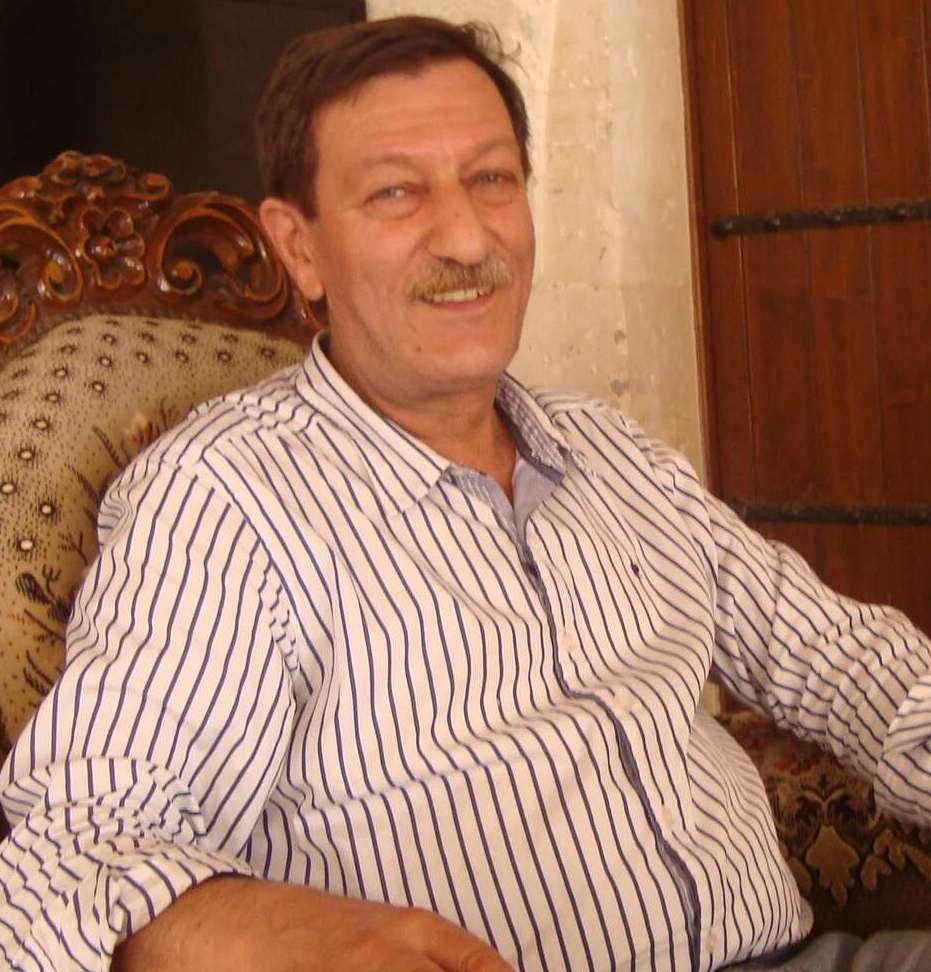

As part of the 16th Kurdish Film Festival Berlin, a reading with the author, journalist, and translator Têmûrê Xelîl will take place. The event is dedicated to the historical, cultural, and social experiences of Kurdish communities in the Soviet Union and at the same time explores the literary and historiographical forms through which these experiences have been represented and remembered.
The reading complements the festival’s film program with a literary and biographical perspective and creates space for a deeper engagement with a largely overlooked chapter of Kurdish history.
About the Author
Têmûrê Xelîl was born in 1949 in Yerevan (Armenian SSR) into a Yezidi-Kurdish family. He studied physics and mathematics and initially worked as a teacher. From the 1970s onward, he was active as a journalist and played a significant role in shaping the Kurdish media landscape in the Soviet sphere.
From 1977 to 1992, he worked as a reporter and cultural editor for the Kurdish newspaper Rya Teze. Between 1981 and 1984, he was an editor for the Kurdish service of Radio Yerevan, and from 1992 to 1997 he served as deputy editor-in-chief of the Russian-language newspaper Golos Kurda. He currently lives in Sweden, is a member of the Kurdish Institute of Paris, and is the editor of the journal Roja Nû.
His journalistic work and translations of historical texts make a significant contribution to Kurdish memory culture, particularly with regard to the history of the Kurds in the Soviet Union and the post-Soviet space.
Content Focus
In the reading, Têmûrê Xelîl reflects on key aspects of Kurdish lived realities in the Soviet context: questions of language and education, cultural self-organization, state control, deportation, and exile. His texts intertwine individual biography with collective experiences, offering a multifaceted approach to memory and identity formation.
The subsequent discussion deepens these perspectives and connects them to contemporary questions of Kurdish diaspora identity as well as to artistic and historiographical forms of remembrance.
Curatorial Concept
The aim of the event is to bring film, literature, and historical experience into an open dialogue. The reading with Têmûrê Xelîl creates a space in which individual life stories and collective memory meet.
The following guiding questions are central:
How is cultural identity preserved under conditions of migration, state control, and external domination?
What traces are left by a political system that simultaneously enables and restricts belonging?
How do these historical experiences continue to shape Kurdish consciousness today?
The event approaches these questions through artistic reflection, carried by memory, language, and storytelling.